The Secret to Greek Moussaka's Flavor: Warming Spices Revealed
Few dishes evoke the warmth of home and the sun-drenched landscapes of the Mediterranean quite like Greek Moussaka. This iconic culinary masterpiece, beloved across Greece and around the world, is far more than just a casserole; it's a symphony of textures and flavors, a truly unforgettable experience that transforms simple ingredients into something extraordinary. While many appreciate its creamy béchamel topping and tender layers of eggplant, the true magic, the very soul of this traditional dish, lies hidden within its savory meat sauce: a distinctive blend of warming spices that sets it apart from all others.
A Culinary Journey Through Greece: What Makes Greek Moussaka Special?
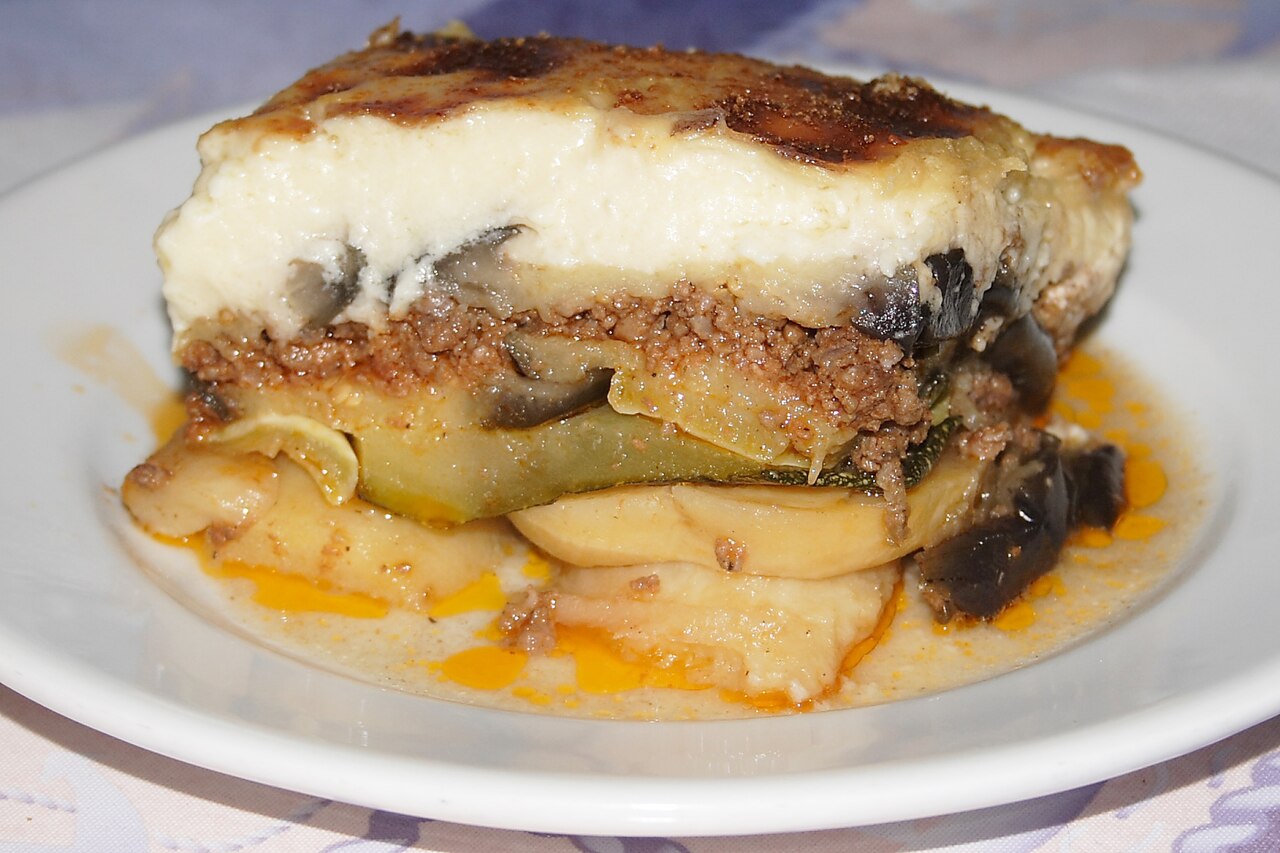
At its heart, Greek Moussaka is a meticulously layered dish, a testament to thoughtful preparation and the celebration of fresh produce. Unlike simpler casseroles, each component plays a vital role in creating a harmonious whole. Typically, you'll find a base of tender, pre-roasted eggplant slices, often complemented by equally delicate layers of zucchini and potato. These vegetables provide not just texture but also a wholesome earthiness that underpins the richer elements. Above this vibrant foundation lies a hearty, deeply flavored ground meat sauce, and crowning it all is a luxurious, golden-brown béchamel, baked to creamy perfection.
While various delightful layered dishes can be found across the Balkans and Middle East, the authentic Greek Moussaka distinguishes itself with its specific structure and, crucially, its unique aromatic profile. It's a celebratory main course, often gracing family tables and special occasions, a dish I, like many others, grew up savoring. The eggplant, in particular, is a versatile and nutritious vegetable, packed with antioxidants and offering numerous health benefits. Whether roasted, fried, or baked, it's an indispensable component of this classic.
The Unsung Heroes: Warming Spices in the Meat Sauce
Herein lies the true revelation and the distinctive signature of an authentic Greek Moussaka: the unparalleled flavor profile of its meat sauce. Unlike Italian meat sauces that typically lean on herbs like oregano, basil, and bay leaf, Greek Moussaka's meat layer takes a different, more exotic turn. The secret is a judicious combination of warming spices such as cinnamon, clove, and allspice.
Imagine the subtle sweetness of cinnamon intertwining with the pungent, sweet notes of clove and the complex, peppery undertones of allspice. This isn't just a haphazard addition; it's a deliberate culinary choice that elevates the ground meat – often beef, lamb, or a combination – from merely savory to profoundly aromatic and utterly captivating. These spices don't overpower; rather, they provide an incredible depth and a nuanced warmth that lingers on the palate, creating a truly unique and comforting experience. They imbue the sauce with a distinctive Mediterranean character, a taste that instantly transports you to a traditional Greek kitchen. This delicate balance of savory meat and sweet, aromatic spices is what makes the master traditional Greek Moussaka so exceptionally good.
Don't be shy with these spices when crafting your own Moussaka. They are the defining feature that transforms a good meat sauce into an authentic Greek one. Just a hint is enough to make a world of difference, adding an exotic complexity that will leave your guests asking for your secret ingredient!
Building Blocks of Flavor: Key Ingredients and Their Preparation
Creating a truly remarkable Greek Moussaka hinges on the quality and preparation of each ingredient. Let's delve into the essential components:
- The Vegetables (Eggplant, Zucchini, Potatoes): For the best results, always choose fresh, firm eggplants, zucchini, and potatoes of similar size to ensure even cooking. The key to success with the vegetables is proper pre-preparation. Slice the eggplants and zucchini into approximately 1-centimeter (1/2-inch) slices and potatoes slightly thinner, around 0.5-centimeter (1/4-inch). Chef's Tip: Salting eggplant slices for 30 minutes before roasting helps draw out excess moisture and bitterness, resulting in a silkier texture and preventing your moussaka from becoming watery. Roasting or shallow-frying these vegetable slices until golden brown beforehand is crucial; it tenderizes them, concentrates their flavor, and creates a barrier that prevents the final dish from becoming soggy.
- The Ground Meat: While ground beef is a popular choice, many traditional recipes use a combination of ground beef and pork, or even ground lamb, which offers a richer, more gamey flavor. Opt for high-quality meat with a moderate fat content for maximum flavor and juiciness.
- The Tomato Base: Fresh diced tomatoes or canned crushed tomatoes form the rich base of the meat sauce. Both provide essential acidity and sweetness, adding depth to the savory profile.
- Red Wine: A splash of red wine, particularly a sweeter variety like Porto or Madeira, works wonders in the meat sauce. As the alcohol evaporates during cooking, it leaves behind a concentrated, complex flavor that beautifully complements the warming spices.
- The Bechamel Sauce: This creamy, luscious topping is non-negotiable for authentic Greek Moussaka. Made from a roux of butter and flour, slowly whisked with warm milk, it's seasoned with a pinch of nutmeg and sometimes a whisked egg for extra richness. Achieving a smooth, lump-free béchamel is paramount; it provides a creamy contrast to the robust meat and earthy vegetables.
- Cheese: Traditionally, Kefalotyri cheese, a hard, salty Greek cheese, is grated over the béchamel. However, high-quality Parmesan or Pecorino Romano make excellent and more widely available substitutes, adding a sharp, salty finish that complements the entire dish.
Tips for Crafting Your Own Irresistible Greek Moussaka
Bringing all these elements together requires a bit of patience and attention to detail, but the reward is immense:
- Layering with Precision: The beauty of Greek Moussaka lies in its distinct layers. Start with a foundation of roasted vegetables, followed by a generous spread of the spiced meat sauce, and culminate with a thick, even blanket of béchamel. Ensure each layer is well-distributed for a balanced bite.
- Don't Skimp on Roasting Vegetables: This step is often overlooked but critical. Perfectly roasted vegetables contribute significantly to the overall texture and flavor, preventing a watery or bland Moussaka.
- Embrace the Spices: As revealed, the cinnamon, clove, and allspice are non-negotiable. Don't be afraid to experiment slightly with quantities to find your personal preference, but always include them.
- Master Your Bechamel: A smooth, velvety béchamel is a hallmark of a great Moussaka. Whisk continuously when adding milk to the roux to prevent lumps, and cook until it's thick enough to coat the back of a spoon.
- Rest Before Serving: This is a crucial, often forgotten step! After baking, allow your Greek Moussaka to rest for at least 20-30 minutes before slicing. This allows the layers to set, making for cleaner cuts and preventing the dish from falling apart, ensuring that every spoonful holds its structure and flavor.
Conclusion
The journey to understanding the profound deliciousness of Greek Moussaka inevitably leads us to its heart: the captivating blend of warming spices in its rich meat sauce. Cinnamon, clove, and allspice are not merely ingredients; they are the flavor architects that transform this layered casserole into an authentic Greek culinary marvel. Paired with perfectly roasted vegetables and crowned with a creamy béchamel, these spices create a dish that is deeply comforting, endlessly satisfying, and truly unforgettable. So, next time you crave a taste of Greece, remember the secret ingredient that elevates Moussaka from good to extraordinary, and prepare to embark on a delicious adventure that will tantalize your taste buds and warm your soul.
