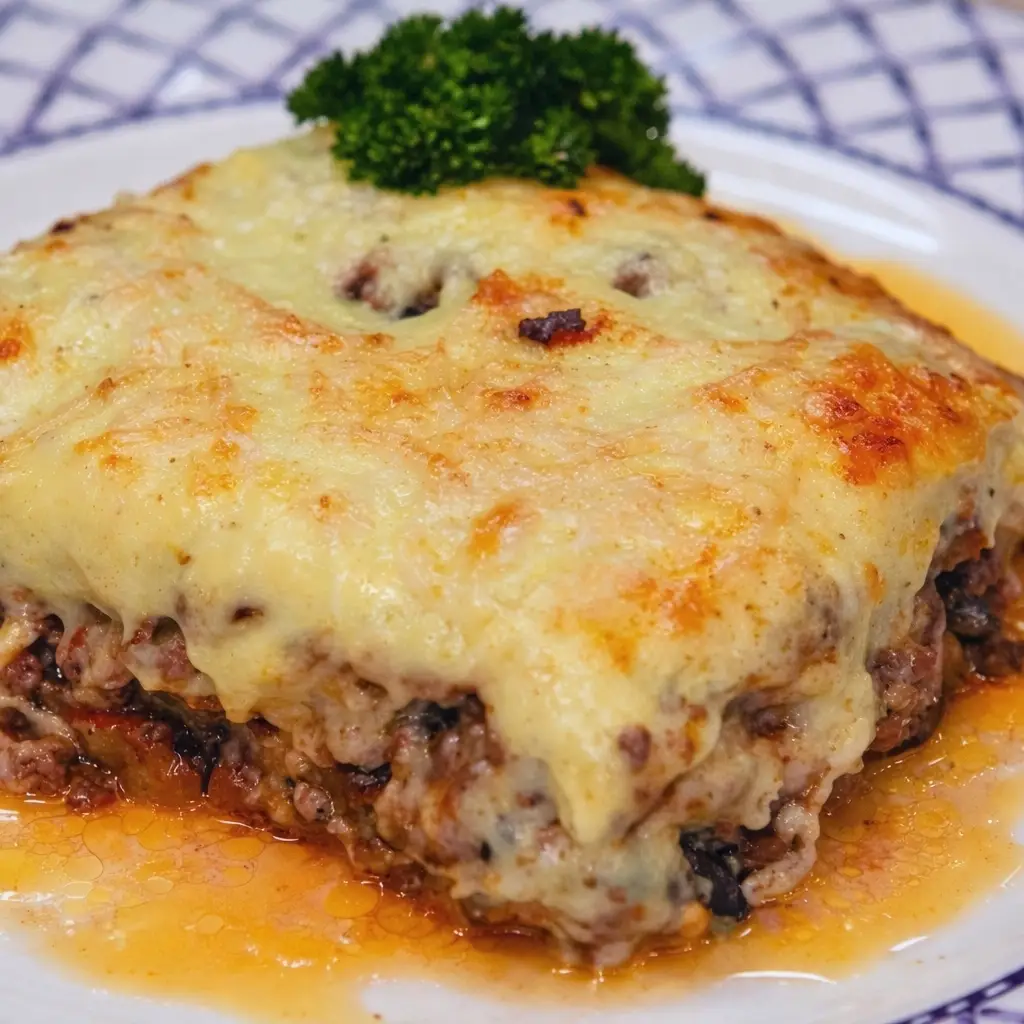
Authentic Greek Moussaka: Layers of Flavor & Creamy Bechamel
Prepare your senses for a culinary journey to the heart of Greece with one of its most beloved and iconic dishes: authentic
Greek Moussaka. This isn't just a meal; it's a testament to rich flavors, comforting textures, and centuries of tradition, meticulously layered to create an unforgettable experience. At its core,
Greek Moussaka is a symphony of tender baked vegetables, a robust, aromatic meat sauce, and a velvety, cloud-like béchamel topping, culminating in the ultimate comfort food that truly embodies the spirit of Greek hospitality.
Many who grew up with this classic dish speak of it with a special reverence, recalling family gatherings and the irresistible aroma that filled the kitchen. While variations exist across the Balkans and Middle East, the Greek rendition stands out with its distinctive use of warming spices in the meat sauce and its signature creamy béchamel, making it a must-try for anyone seeking a true taste of Greece.
The Anatomy of a Masterpiece: Building Layers of Irresistible Flavor
The magic of authentic
Greek Moussaka lies in its thoughtful construction, where each layer contributes to a harmonious whole. Understanding these components is key to appreciating and recreating this culinary delight.
*
The Vegetable Foundation: Eggplant, Potato, and Zucchini
The bedrock of many
Greek Moussaka recipes often features slices of tender eggplant. This versatile vegetable is not only delicious but also packed with antioxidants, making it a healthy and flavorful base. When prepared correctly, usually by salting, rinsing, and then pre-baking or frying, eggplant develops a rich, meaty texture that absorbs the flavors of the subsequent layers beautifully. Many traditional recipes also incorporate thin slices of potato, which add a comforting earthiness and substance, and sometimes zucchini, offering a touch of freshness. The secret here is to slice these vegetables evenly and pre-cook them until golden, ensuring they contribute structure and flavor without making the final dish soggy.
*
The Soulful Meat Sauce: Aromatic and Hearty
The heart of any great
Greek Moussaka is its ground meat sauce, often referred to as 'kima'. While Italian meat sauces rely heavily on herbs like oregano and basil, the Greek version distinguishes itself with a unique blend of warming spices that evoke the Mediterranean sun. Cinnamon, clove, and allspice are the stars here, infusing the rich tomato-based sauce with an unparalleled depth and aromatic sweetness that sets it apart. Typically made with ground beef, or a combination of beef and pork, some recipes also embrace ground lamb for an even richer, more traditional flavor. The addition of red wine, such as a sweet Porto or Madeira, further enhances the complexity, with its alcohol evaporating during simmering to leave behind only delicious flavor. This exquisite sauce is what truly defines the unique taste profile of authentic
Greek Moussaka. To dive deeper into this unique flavor, read more about
The Secret to Greek Moussaka's Flavor: Warming Spices Revealed.
*
The Creamy Crown: Silky Bechamel Sauce
Crowning the layers of vegetables and meat is the luscious béchamel sauce. This creamy white sauce is a hallmark of authentic
Greek Moussaka, providing a rich, velvety blanket that binds all the flavors together and adds an irresistible decadence. Made from a simple roux of butter and flour, slowly whisked with warm milk, and often enriched with egg yolks and grated cheese, the béchamel creates a golden-brown crust when baked, protecting the tender layers beneath. Traditional Greek recipes often call for Kefalotyri cheese, a hard, salty sheep's milk cheese, but Parmesan or a sharp aged cheddar can make excellent substitutes if Kefalotyri is hard to find. The key to a perfect béchamel is patience and continuous whisking to achieve a lump-free, silky smooth consistency.
Tips for Your Best Greek Moussaka Yet
Achieving that perfect, restaurant-quality
Greek Moussaka at home is entirely within reach with a few expert tips:
1.
Pre-Cook Your Vegetables: This step is non-negotiable. Whether you pan-fry, bake, or grill your eggplant, potatoes, and zucchini, pre-cooking them is crucial. It removes excess moisture, prevents the moussaka from becoming watery, and builds a foundational layer of flavor. Ensure slices are of similar thickness for even cooking.
2.
Salt the Eggplant: Before pre-cooking, salting eggplant slices and letting them sit for 30 minutes draws out bitter juices and excess water. Rinse thoroughly and pat dry before cooking.
3.
Don't Skimp on the Spices: The unique flavor of the meat sauce comes from cinnamon, clove, and allspice. Use good quality spices and don't be afraid to be generous; they are the soul of the dish.
4.
Simmer the Meat Sauce: Allow the meat sauce to simmer gently for at least 30-45 minutes. This allows the flavors to meld and deepen, creating a truly rich and complex base.
5.
Achieve Bechamel Perfection: Whisk, whisk, whisk! A smooth béchamel is essential. Ensure your milk is warm when adding it to the roux to prevent lumps, and stir constantly until thickened to a pouring but substantial consistency.
6.
Rest After Baking: Once your
Greek Moussaka is out of the oven, resist the urge to cut into it immediately. Letting it rest for at least 15-20 minutes allows the layers to settle and firm up, ensuring neat, beautiful slices.
For a detailed guide on perfecting each component, you might find valuable insights in
Master Traditional Greek Moussaka: Eggplant, Meat Sauce & Bechamel.
Beyond the Basics: Embracing Regionality and Serving
While the classic layered structure of eggplant, meat, and béchamel is the most globally recognized form of
Greek Moussaka, it's worth noting that regional variations exist even within Greece. Some families, for instance, might emphasize potatoes over eggplant, or include green beans in their version. The beauty of traditional cooking often lies in these subtle, localized interpretations that are passed down through generations.
Regardless of the specific vegetable combination,
Greek Moussaka is fundamentally comfort food. It makes a magnificent main course, substantial enough on its own. Often, it's served simply with a crisp, refreshing side salad, perhaps a traditional Greek salad with feta and olives, to cut through its richness. A light red wine also pairs wonderfully, echoing the notes from the meat sauce.
Conclusion
Authentic
Greek Moussaka is more than just a recipe; it's an experience that tantalizes the taste buds and warms the soul. From the perfectly roasted vegetables to the spiced, savory meat sauce and the luxurious béchamel topping, each element plays a vital role in creating this iconic dish. It’s a celebration of flavors, textures, and a culinary heritage deeply rooted in the Mediterranean. Whether you're a seasoned chef or a home cook eager to explore Greek cuisine, embarking on the journey to create your own homemade
Greek Moussaka promises a rewarding and incredibly delicious outcome. So, gather your ingredients, embrace the layers, and prepare to fall in love with this truly irresistible Greek classic.