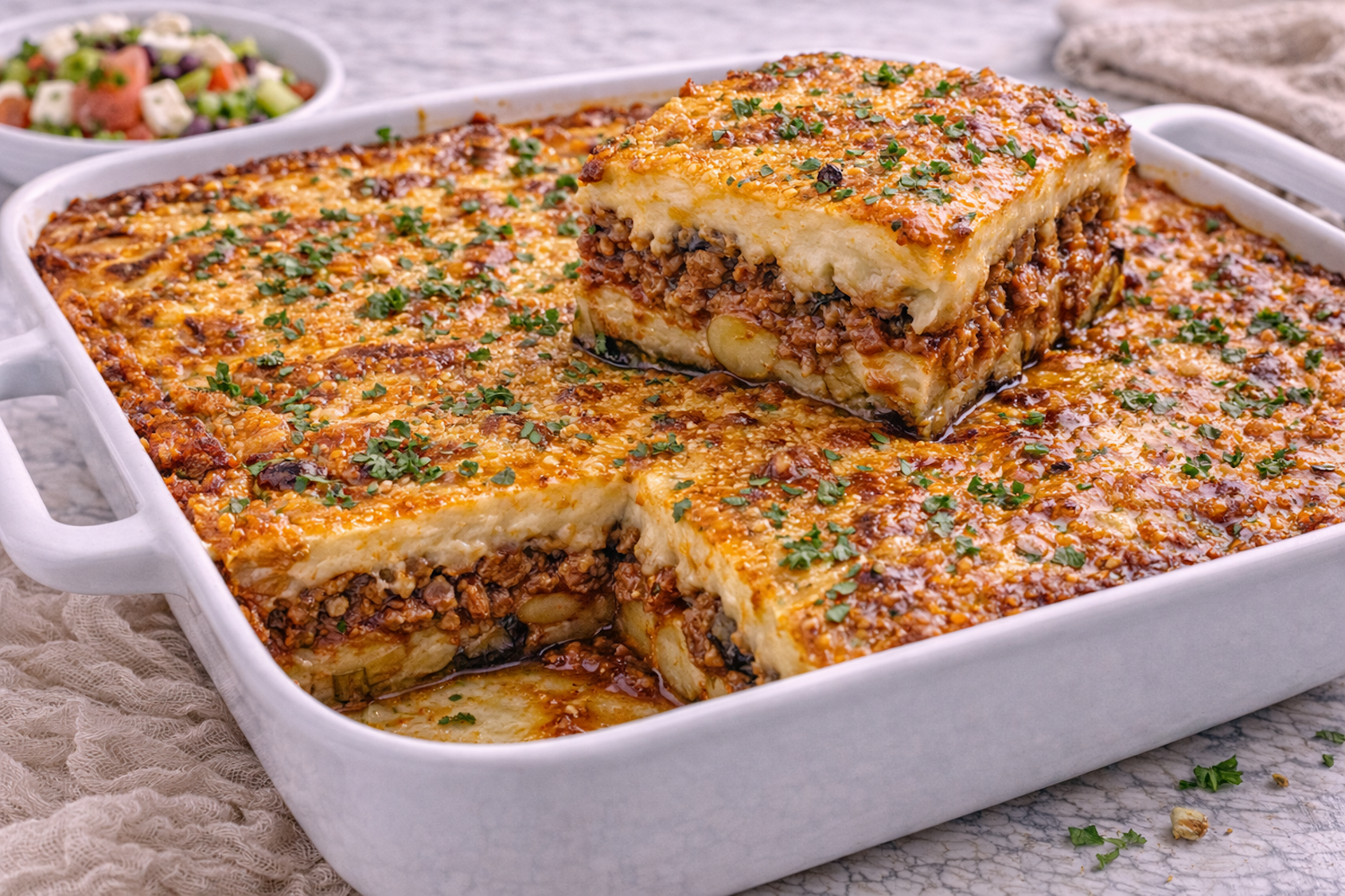
Master Traditional Greek Moussaka: Layers of Flavor, Creamy Bechamel & Authentic Spices
Prepare your palate for an unforgettable culinary journey to the heart of Greece. When it comes to iconic dishes, few evoke the warmth and comfort of home quite like
traditional Greek Moussaka. This layered masterpiece is more than just a meal; it's a celebration of rich flavors, enticing aromas, and centuries of culinary heritage. Imagine succulent layers of tender eggplant, a robust and aromatic ground meat sauce, and a luxurious, creamy bechamel topping, all baked to golden perfection. It's a truly irresistible classic that promises to tantalize your taste buds and leave you craving more.
The Soul of Greek Moussaka: Deconstructing Its Irresistible Layers
What makes authentic
Greek Moussaka stand out from its regional counterparts and capture the hearts of food lovers worldwide? It's the harmonious symphony of distinct layers, each contributing its unique texture and flavor to create a dish of unparalleled depth. While variations exist across the Balkans and Middle East, the Greek rendition, particularly the one featuring eggplant, is undeniably the most renowned.
Here's a closer look at the essential components that define this beloved Greek classic:
*
The Foundation: Eggplant, Zucchini & Potatoes
The bedrock of many Greek Moussaka recipes is a generous layer of thinly sliced vegetables. Eggplant is paramount, offering a slightly bitter, earthy counterpoint to the rich meat and creamy bechamel. Many recipes also incorporate zucchini and thin slices of potato, adding extra texture and substance.
- Eggplant & Zucchini: For best results, choose fresh, firm eggplants and zucchini of similar size. Slicing them uniformly (around 1 cm or 1/2-inch for eggplant/zucchini, 0.5 cm or 1/4-inch for potatoes) ensures even cooking. Pre-roasting these vegetables until golden is a crucial step that concentrates their flavor, prevents the Moussaka from becoming watery, and gives them a delightful texture. Some traditionalists might fry them, but roasting offers a lighter, equally flavorful result.
- Potatoes: Opt for potatoes suitable for baking. They add a comforting heartiness to the dish, acting as an excellent absorber of the rich meat sauce. Like the eggplant and zucchini, pre-baking or par-boiling the potato slices is recommended to ensure they are tender within the final dish.
*
The Heart: A Rich & Aromatic Ground Meat Sauce
This isn't just any meat sauce; it's what truly elevates
the flavor profile of Greek Moussaka. While an Italian ragu might lean on herbs like oregano and basil, the Greek meat sauce embraces a unique blend of warming spices that transport your senses straight to the Mediterranean.
- Ground Meat: Typically, ground beef is used, but a combination of ground beef and pork, or even ground lamb, can lend an even deeper flavor.
- Tomatoes: Fresh diced tomatoes or quality canned tomatoes form the base of the sauce, providing a sweet and tangy depth.
- Red Wine: A splash of red wine, such as Porto or Madeira, is a secret weapon. While the alcohol evaporates during cooking, it leaves behind an incredible depth of flavor and subtle sweetness that perfectly complements the meat and spices. Even a dry red can work well, but sweeter varieties contribute to the authentic profile.
- The Signature Spices: This is where the magic happens. A blend of cinnamon powder, clove, and allspice sets Greek Moussaka apart. These warm spices infuse the sauce with an intoxicating aroma and a subtly sweet, complex flavor that is truly unforgettable. It’s this aromatic combination that provides such an authentic and comforting taste.
*
The Crown: Velvety Bechamel Sauce
Crowning the layers of vegetables and meat is a thick, creamy, and utterly luscious bechamel sauce. This classic white sauce, made with butter, flour, and milk, is generously poured over the entire dish, forming a golden, custardy blanket once baked. Its rich, silky texture provides a beautiful contrast to the savory meat and tender vegetables, tying all the elements together into a cohesive and indulgent whole. A grating of traditional Kefalotyri cheese (or a readily available alternative like Parmesan) is often incorporated into the bechamel or sprinkled on top for an extra layer of savory depth and a delightful crust.
Beyond the Plate: Cultural Significance & Health Benefits
Greek Moussaka is more than just a recipe; it's a cornerstone of Greek hospitality and family life. Often referred to as a "Greek mama's" dish, it embodies the love and effort poured into feeding loved ones. It's the kind of meal that brings families together around the table, a cherished tradition passed down through generations. Growing up with this dish means understanding the comfort and security it represents – a true taste of home.
Furthermore, the ingredients themselves offer significant nutritional value. Eggplant, a star ingredient, is not only delicious but also incredibly healthy. It's packed with antioxidants, which can play a role in fighting oxidative stress, potentially reducing the risk of chronic diseases like heart disease and even certain cancers. Its versatility makes it a fantastic addition to various meals, whether roasted, in salads, or as the star of a main course like Moussaka. Incorporating such a wholesome vegetable into a hearty, satisfying dish makes Moussaka a well-rounded meal.
Crafting Your Own Masterpiece: Tips for Perfect Greek Moussaka
While the thought of assembling such a multi-layered dish might seem daunting, achieving a show-stopping
Greek Moussaka is entirely within reach with a few key techniques and insights.
1.
Prep Your Veggies Right:
*
Salty Soak for Eggplant: To prevent eggplant from absorbing too much oil and to draw out any bitterness, slice them and sprinkle generously with salt. Let them sit for 30 minutes, then rinse thoroughly and pat completely dry before roasting. This step is crucial for a non-soggy Moussaka.
*
Pre-Cook for Perfection: Always pre-cook your eggplant, zucchini, and potatoes until tender and slightly golden. Roasting is preferred for a lighter dish and deeper flavor. This ensures all components are perfectly cooked when the Moussaka comes out of the oven.
2.
The Meat Sauce: Thick and Flavorful:
* Ensure your meat sauce is thick enough to cling to the vegetables without making the Moussaka watery. Simmer it slowly to allow the flavors to meld and the sauce to reduce.
* Don't shy away from the warming spices! The cinnamon, clove, and allspice are non-negotiable for that authentic Greek taste. For a deeper understanding of these spices, see our article on
The Secret to Greek Moussaka's Flavor: Warming Spices Revealed.
3.
Flawless Bechamel:
* A smooth bechamel is key. Start with equal parts butter and flour to create a roux, then gradually whisk in warm milk to prevent lumps. Cook it gently until it thickens to a pourable, yet substantial, consistency.
* Season your bechamel with salt, white pepper, and a pinch of nutmeg for classic flavor.
4.
Thoughtful Layering:
* The art of
Authentic Greek Moussaka: Layers of Flavor & Creamy Bechamel lies in its distinct strata. Typically, start with a layer of potatoes (if using), followed by eggplant, then a generous spread of the meat sauce, and then zucchini (if using), before topping it all with the rich bechamel. Repeating layers for a taller dish is common. Ensure each layer is evenly distributed.
5.
The Crucial Resting Period:
* After baking to a beautiful golden-brown, resist the urge to slice into your Moussaka immediately. Allow it to rest for at least 15-30 minutes after removing it from the oven. This allows the layers to set and firm up, ensuring clean, elegant slices when served.
This traditional Greek Moussaka, with its rich history and incredible flavor profile, is a dish that truly impresses, both in taste and presentation. It’s a hearty, satisfying meal perfect for family gatherings or a comforting weeknight dinner, embodying the essence of Greek home cooking.
Conclusion: A Culinary Journey Worth Taking
Embarking on the journey to create your own
traditional Greek Moussaka is an incredibly rewarding experience. From the careful preparation of the vegetables to the aromatic spices in the meat sauce and the creamy blanket of bechamel, every step contributes to a culinary masterpiece. This isn't just food; it's a taste of Greek culture, a comforting hug from a "Greek mama," and an invitation to savor a dish that has captivated hearts for generations. So gather your ingredients, follow these tips, and prepare to delight in the irresistible charm of this iconic Greek classic.